Why Your Basement Floods Every Spring and What It Really Means
You head down the basement stairs on a rainy April morning and your socks go cold before you reach the bottom step. There it is again. A thin sheet of water spreading across the floor, the same dark line along the base of the wall, the same musty smell that showed up last March and the one before that. You mopped it, ran a fan, told yourself it was a fluke. Now it is back on schedule, and that pattern is the part worth your attention.
Here is the most important thing to know right now: a basement that floods every spring is almost never random and almost never a surface problem. It is your foundation telling you the ground around it is saturated and water is being pushed inside under pressure. We have walked into hundreds of basements with this exact story, and the timing is the clue that points straight to the cause. Once you understand the mechanism behind it, the fix stops being guesswork.
What To Do The Moment You See Water
Limit the damage first, then slow down for the diagnosis. Work through these in order.
- Lift anything that can absorb water or be ruined off the floor, especially items against exterior walls.
- Find where water is actually entering, whether it is the seam where floor meets wall or a specific crack.
- Photograph the entry points and the water line while everything is still wet, since that tells us far more than a dry basement during an estimate.
- Confirm your sump pump is running and pushing water away from the house, then pull standing water with a wet vacuum.
WARNING: If water has reached any outlet, cord, furnace, or water heater, do not wade in. Standing water and electricity are a serious shock hazard. Cut power to the area at the breaker first, or stay out until a professional clears it.
TIP: During the next hard rain, step outside and watch your downspouts and the slope right against the foundation. Water pooling within a few feet of the wall is the fastest clue to the cause.
Why It Floods In Spring And Not In July
Spring flooding comes down to hydrostatic pressure, and that one idea explains the timing. Through winter, steady rain soaks the soil around your foundation until it cannot hold more. By the time spring storms arrive, the ground is already full, the water table climbs, and water has nowhere to drain. It stacks against your walls and floor and pushes inward, looking for the path of least resistance.
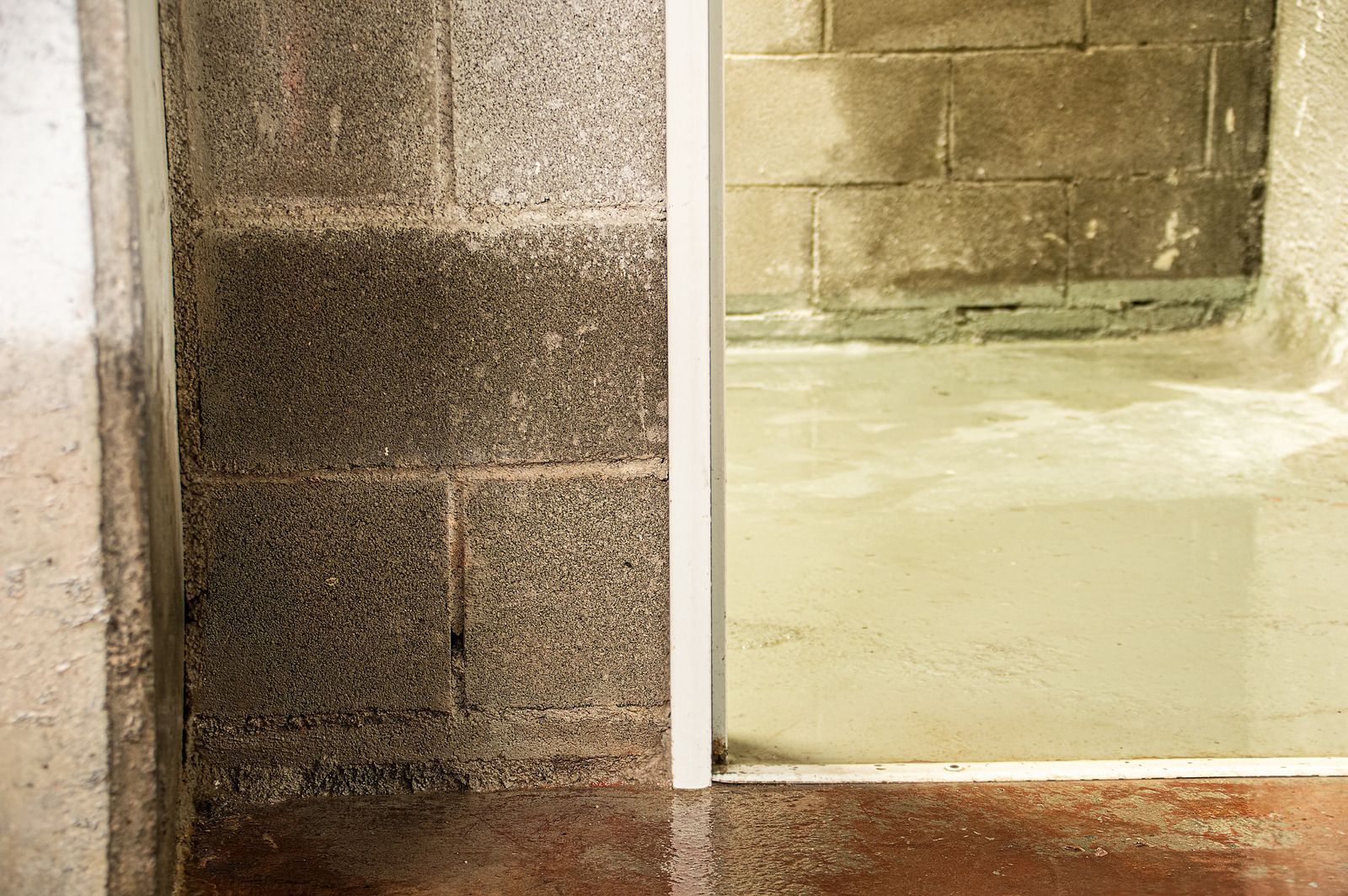
That path is usually the cove joint, the seam where the wall meets the floor slab. It is not a sealed bond, so when outside pressure builds, water rises through it. The same force pushes moisture through hairline cracks and through the concrete itself, which is why you often see a white chalky residue, the mineral deposit left as water passes through. Come summer the soil dries, pressure drops, and the leak vanishes. That disappearing act fools people into thinking it fixed itself. The water table simply fell, and next spring the pressure returns right on schedule.
What People Blame, And How We Find The Real Source
The pressure has to come from somewhere, and the things homeowners blame first often make it worse. Downspouts that dump rain within a few feet of the wall feed the saturated soil already pressing on your foundation. Grading that slopes toward the house instead of away steers every storm straight at it, often because the yard settled over the years. A tired or undersized sump pump and a clogged drain line at the footing finish the picture.
Finding the real driver starts outside, not in the wet basement. We walk the perimeter first, checking downspout placement, slope, and low spots, then map the inside entry points against that. Seepage at the cove joint points to pressure, while a stain running down from a window points to surface water. We test the sump under load, look for active weeping, and measure crack width. On most spring calls we find several factors stacked together, which is why treating only one rarely holds.
How To Actually Stop It
Match the repair to the cause, not the symptom. Exterior corrections come first because they are the simplest and you can often handle them yourself. Extending downspouts, regrading the soil to drain away from the house, and clearing buried drain lines solve a surprising number of cases without ever touching the foundation.
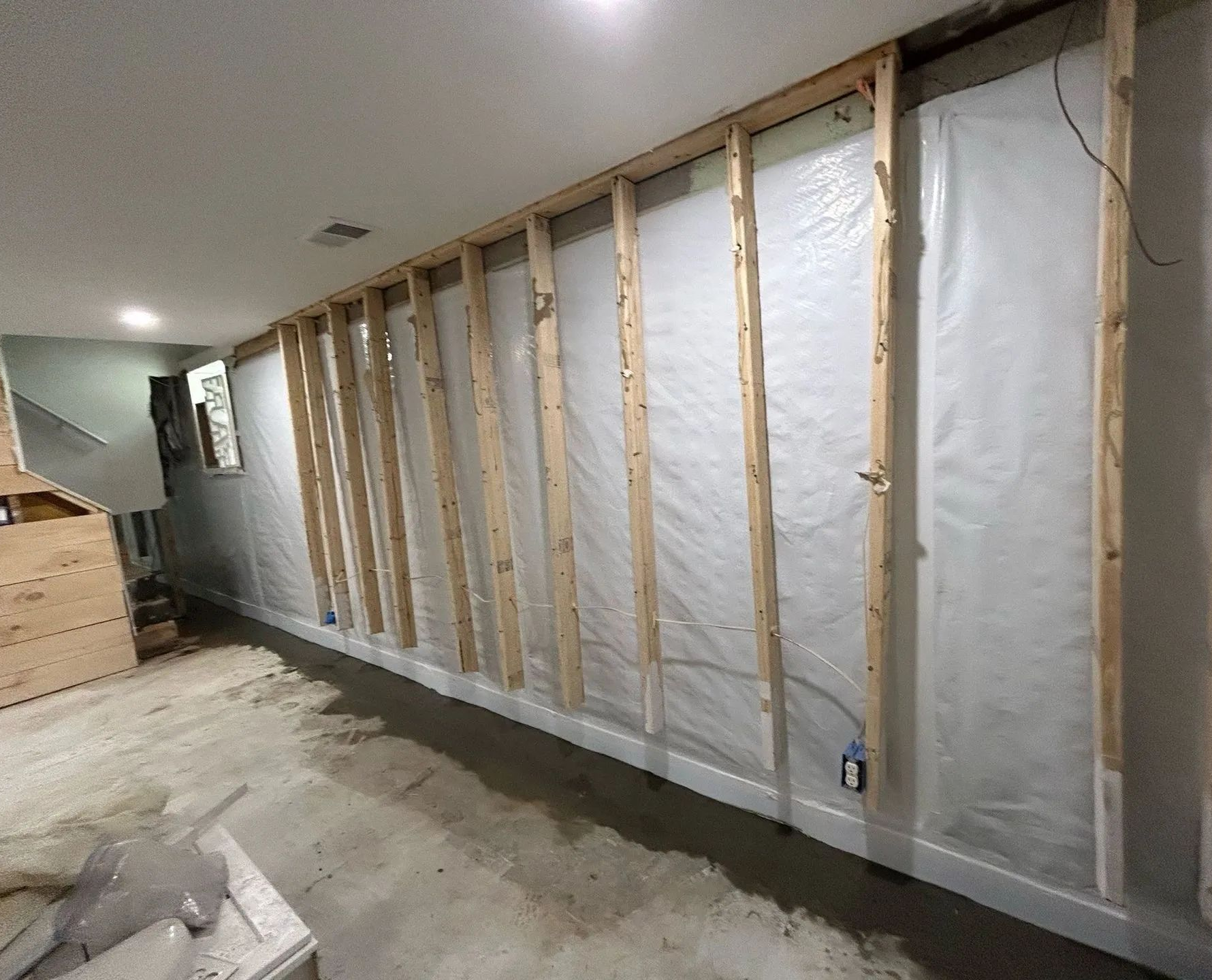
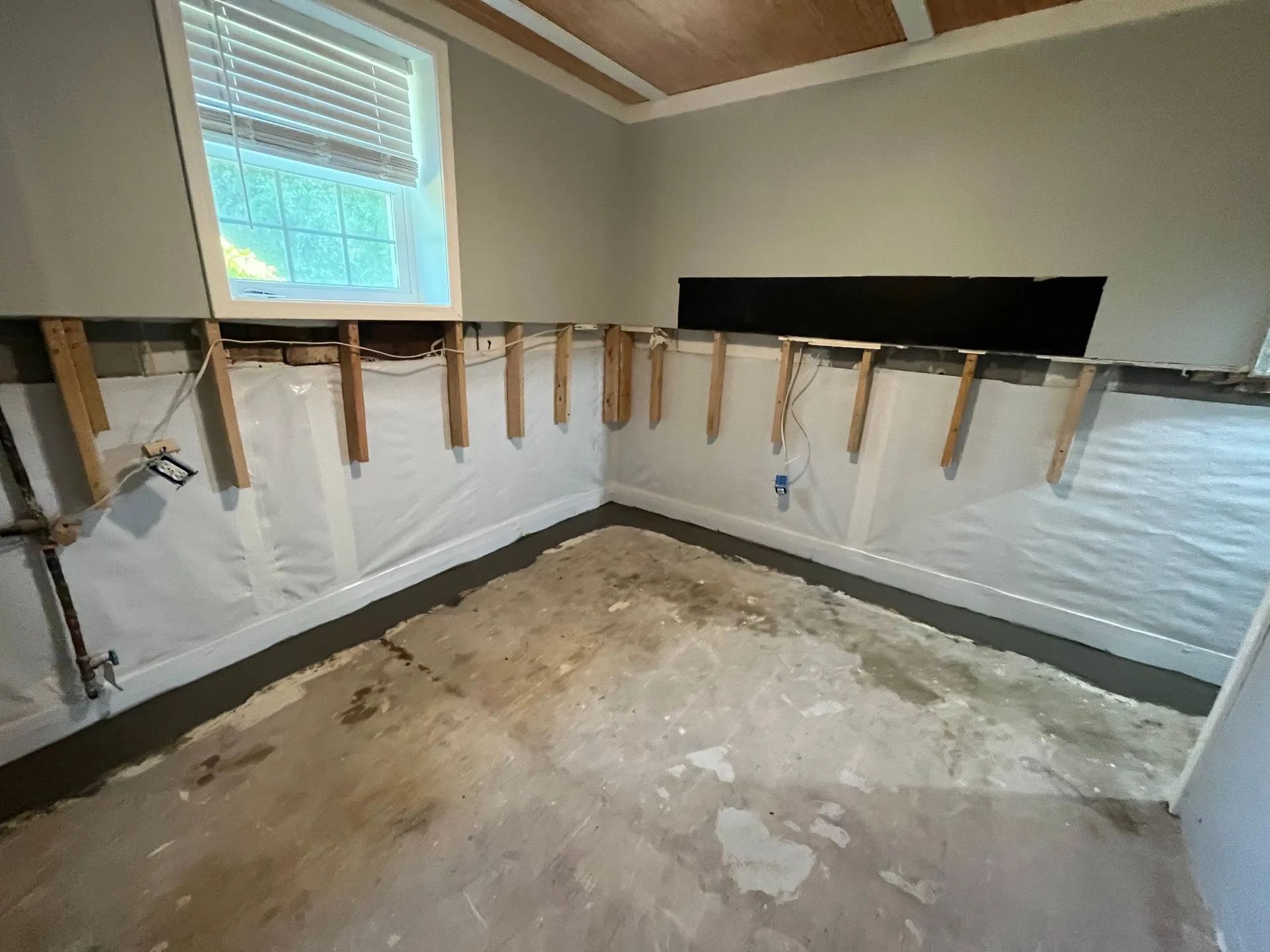
When pressure from a high water table is the real driver, the lasting answer is an interior drainage system paired with a properly sized sump pump. We set a channel below the slab that relieves pressure at the cove joint and routes water to the pump before it reaches your floor. Crack injection seals a single failing crack from the inside, and exterior membrane work, the most involved option, wraps the foundation when walls take on water across a wide area. Each step buys years, but only when it is matched to what is actually happening.
Why It Hits Harder In Clay Country
Red clay is the reason spring flooding is so stubborn across this region. Clay drains slowly and holds water tight against your foundation long after a storm passes, so the pressure driving water inside lingers for days instead of hours. It also swells when wet and shrinks when dry, and that constant movement works open the very cracks water uses to get in. Pair that with a wet winter, heavy spring storms, and rolling terrain that funnels runoff downhill, and you get soil that stays saturated right when rainfall peaks. That is why a basement here floods every spring while an identical home on sandy soil stays dry.
Preventing Next Spring And The Mistakes To Skip
Prevention is mostly about keeping water away from the soil wrapping your foundation. Clear gutters every season, walk the perimeter in spring and fall to confirm the ground still slopes away from the house, and test your sump pump before the wet months by pouring a bucket into the pit and watching it cycle. In a clay heavy yard, that seasonal routine matters more than almost anywhere else.
The mistakes are easy to fall into. Sealing the inside of the wall with waterproof paint feels logical, but it traps pressure behind the coating until water finds the next weak point or pushes the paint off in sheets. Piling soil against the foundation to fix grading buries siding and creates a new moisture problem higher up. And waiting for the basement to dry before getting it looked at hides the exact evidence that reveals the cause. Each shortcut feels like progress while the real driver keeps building.
Frequently Asked Questions
Is a flooded basement an emergency?
Treat it as urgent if water reaches electrical outlets, your furnace, or your water heater, since that creates a real shock and equipment risk. Otherwise it is usually not an emergency, but standing water grows mold within a day, so act quickly to dry it.
Can I waterproof my basement myself?
You can handle the exterior basics yourself, extending downspouts, fixing grading, and clearing drains, which resolves many cases. Interior drainage systems and exterior membrane work need professional equipment and the right experience, so anything involving the slab or foundation walls is worth leaving to us.
How long does fixing a flooding basement take?
Exterior corrections like regrading and extending downspouts often take a single day. A full interior drainage system with a sump pump usually runs one to two days depending on basement size. We can give you a firm timeline once we see the actual entry points.
Why does my basement only leak in spring?
Through winter, the dense clay soil here soaks up rain and holds it tight against your foundation. By spring the ground is saturated, storms peak, and the rising water table pushes inside under pressure. Summer dries the soil, the leak vanishes, and the cycle repeats.
Will a sump pump alone stop my basement from flooding?
A sump pump helps only when it is paired with drainage that channels water to it. Dropping a pump into a basement with no collection system often leaves water entering elsewhere. We recommend pairing any pump with interior drainage so it actually catches the pressure.
Experienced Specialists Who Stop Basement Flooding For Good
A basement that floods on a spring schedule is not random, it is saturated soil pushing water against your foundation under pressure, and the timing is your biggest clue to the cause. In this region that pressure builds faster and lingers longer because dense clay holds water tight against your walls long after the storm clears, which is why so many homes here flood every single spring. If you are ready to break the cycle instead of mopping through another season, reach out to Leader Waterproofing and Construction. With over 10 years keeping basements dry, we help homeowners across Lawrenceville, Georgia, and the surrounding areas, find the real source and stop spring flooding for good.