Basement Moisture Warning Signs Every Homeowner Should Know
Quick Answer: A basement rarely announces a water problem all at once. It shows up first in small, easy to dismiss details: a smell that returns after the room has been aired out, a chalky ring near the base of a wall, a door upstairs that suddenly sticks in humid weather. Reading these signs in three places, inside the basement, around the foundation outside, and elsewhere in the house, gives homeowners a far clearer picture than checking the walls alone.
Last fall, a homeowner in Snellville called about a smell, not water. Nothing was pooling on the floor. No crack was leaking. The basement looked dry to the eye. But a musty note kept returning to the guest bedroom directly above it every time a storm rolled through, and it took a flashlight held low along the joint where the wall meets the floor to find a thin band of dark discoloration that had been feeding moisture upward for months.
A basement rarely floods without warning. It sends signals long before water appears, and most of those signals show up in places homeowners are not in the habit of checking closely: low along a wall, inside a window well outside, in a door upstairs that suddenly sticks in humid weather. Reading those signals early turns a vague sense that something is off into a specific list, one that tells you whether to keep watching or get a professional set of eyes on the foundation now.
The Basement's Own Warning Signs
Start where most homeowners already look, inside the basement itself, but look more carefully than a quick glance across the room.
Chalky White Deposits On The Walls
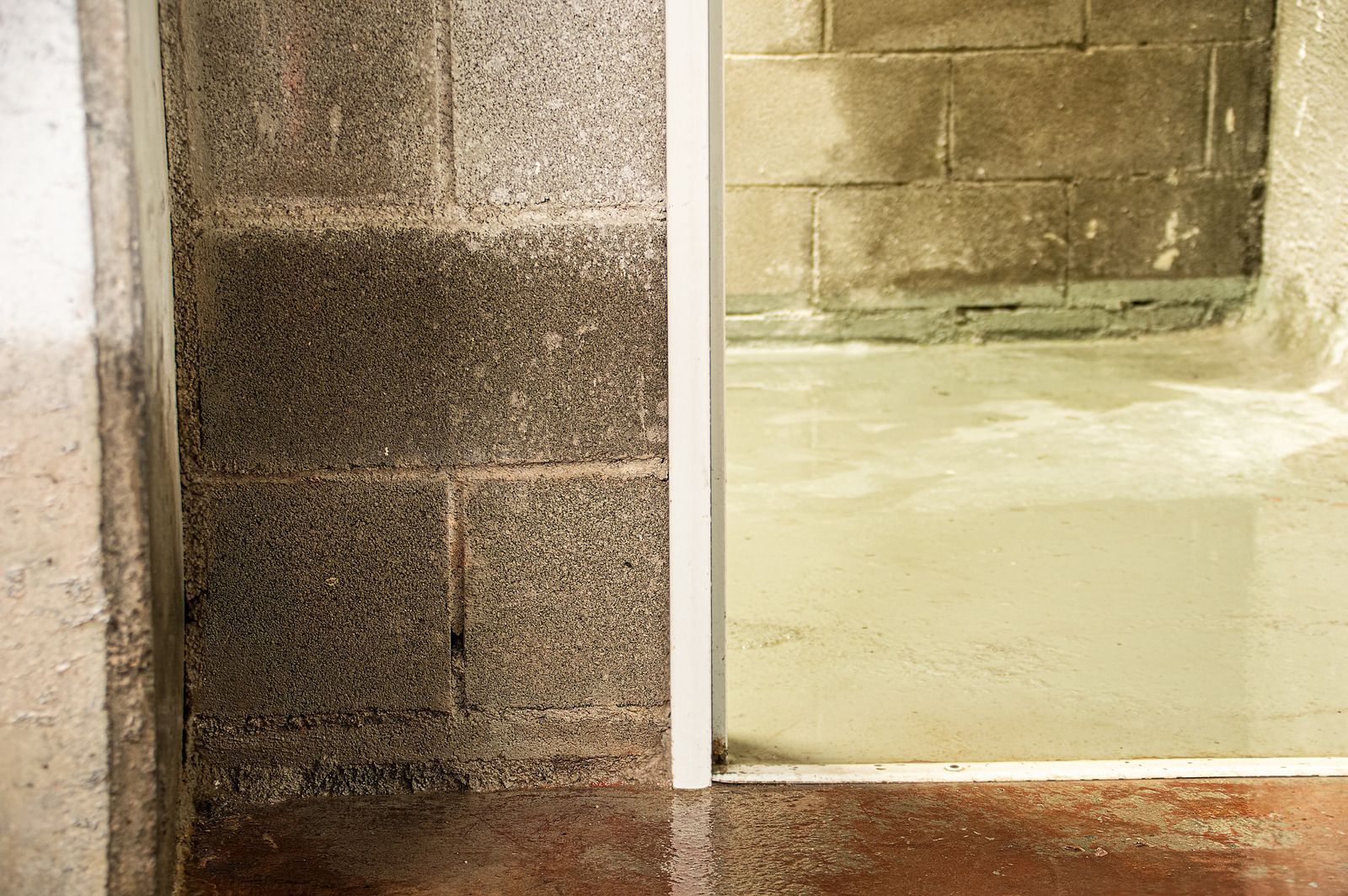
Efflorescence appears when moisture moves through concrete or block, leaving mineral salts behind as water evaporates. Its presence shows that water has previously traveled through the basement wall and carried dissolved minerals with it.
A Musty Smell That Returns After The Room Has Been Aired Out
A musty smell that repeatedly returns after airing out often indicates lingering moisture, mold, or mildew nearby. Persistent odors suggest the basement is not drying properly and may have an ongoing moisture source.
Horizontal Staining Or Tide Lines Near The Floor
Horizontal stains or tide lines near the floor show where water has repeatedly risen and evaporated. These marks can reveal how high previous water intrusion reached and may indicate recurring seepage during heavy rainfall.
Paint That Is Peeling, Bubbling, Or Lifting Off The Wall
Peeling, bubbling, or lifting paint often means moisture is trapped behind the coating. Pressure from that moisture weakens adhesion, causing the surface treatment to separate from walls and exposing underlying materials to damp conditions.
Air That Stays Heavy No Matter The Season
Heavy basement air can indicate excessive humidity. Relative humidity consistently above 60 percent creates favorable conditions for mold, while maintaining levels between 30 and 50 percent helps control moisture and supports a drier environment.
TIP: A basic hygrometer costs little and gives you an actual number instead of a guess. Check it on a dry week and again after a heavy rain. A basement that swings more than 10 to 15 points between the two readings is taking on outside moisture faster than it is drying back out.
What the Ground Outside Is Telling You
A basement problem rarely starts inside the basement. Walk the perimeter of the house after the next heavy rain and look at what the ground and the foundation itself are doing.
Cracks In The Foundation Wall Visible From Outside
Exterior foundation cracks may mirror problems inside the basement. Their location, width, and direction can indicate whether moisture pressure, soil movement, or ordinary settling is contributing to the damage over time.
Soil Pulling Away From The Foundation Or Patches That Stay Soggy
Soil pulling away from the foundation or remaining soggy after rain can indicate poor drainage. Saturated Georgia clay expands and contracts, increasing moisture pressure against foundation walls and surrounding areas.
Standing Water In Window Wells
Water that remains in a window well after rainfall can press against the window frame and sill. Poor drainage creates a direct pathway for basement moisture, potentially causing leaks and damage.
Downspouts Discharging Within A Few Feet Of The House
Downspouts releasing water near the foundation can saturate surrounding soil instead of directing runoff away. Added moisture increases pressure against basement walls, raising the risk of water intrusion during rainfall.
Clues That Show Up Away From the Basement Entirely
Some of the clearest signals a basement is sending do not show up in the basement at all.
Doors And Windows That Stick Or No Longer Latch Cleanly
Doors or windows that suddenly stick may reflect moisture-related framing movement or foundation shifting. Gradual changes can indicate conditions below affecting the structure above.
A Musty Smell One Floor Up
A musty smell upstairs can travel from the basement through stairwells, ductwork gaps, and flooring. Persistent odors above may indicate increased moisture levels below.
A Sump Pump Running Noticeably More Or A Dehumidifier Tank Filling Faster Than It Used To
A sump pump or dehumidifier working harder than usual may indicate increased moisture entering the basement. If weather remains similar, investigate whether water intrusion has changed.
More Insects In Lower Level Rooms Than Usual
An increase in silverfish, centipedes, or termites can point toward damp conditions. Moist soil and elevated basement humidity create environments that attract moisture-dependent insects and pests.
WARNING: Do not assume a sticking door or a musty smell upstairs is unrelated to the basement just because there is no visible water below. Moisture signals often show up away from their source, and waiting for a basement to look obviously wet before addressing these clues generally means the problem has already had more time to spread.
Finished Basements Hide These Signs Longer
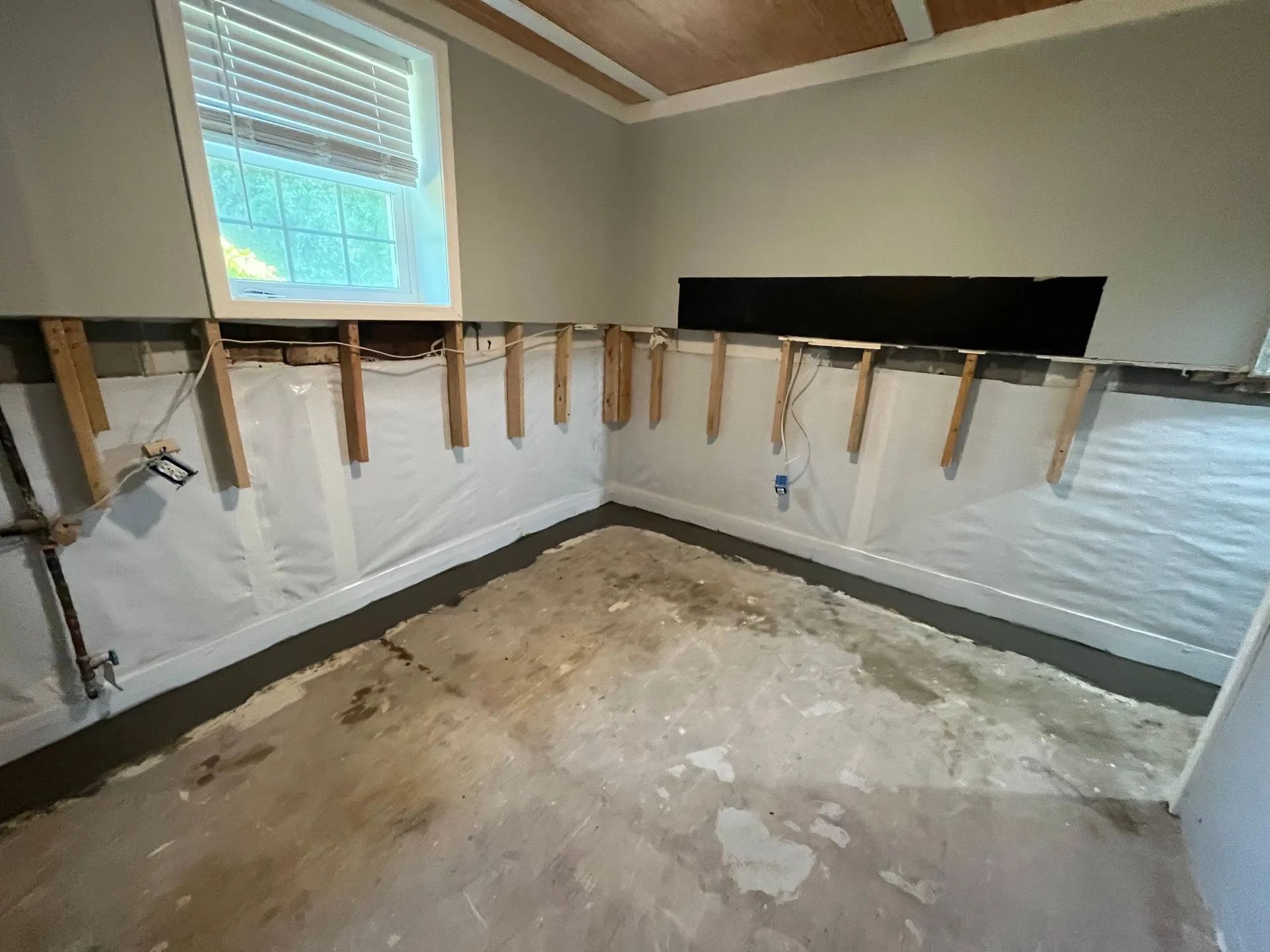
A finished basement does not eliminate any of these signs. It just puts drywall, carpet, and paint between you and the wall where most of them would otherwise be obvious, which means the same moisture problem can run for a longer stretch before anyone notices.
Baseboards are usually the first place a finished basement gives up a moisture problem. Swelling, discoloration, or a soft spot along the bottom edge of trim often shows up well before anything visible happens on the wall itself. Carpet tells a similar story. A musty smell that seems to come from the carpet rather than the air, or a section that feels cooler and slightly damp underfoot compared with the rest of the room, points to moisture wicking up from below rather than anything wrong with the carpet itself.
Drywall reacts more slowly, but once it does, the signs are harder to miss. Bubbling paint, a soft or spongy section low on a wall, or a faint brownish stain working its way up from the baseboard all indicate that moisture has already been present behind the surface for some time. Checking a finished basement around the HVAC return, near any low outlets, and behind furniture pushed against exterior walls covers most of the spots where a hidden problem tends to surface first.
A finished basement is not worse off than an unfinished one for this. The checks described earlier in this guide just need to happen a little more deliberately, since the wall itself is no longer available for a quick look.
How Quickly These Signs Tend to Progress
None of these signs stay still. Efflorescence that appears as a faint dusting today can thicken into a visible crust within a season if the moisture behind it keeps moving. A hairline crack that shows no dampness now can start passing water after the next stretch of heavy Georgia rain saturates the clay soil around it. A musty smell that seems minor in spring often gets worse by late summer, when humidity outside makes it harder for a basement to dry out even with a fan running.
The pattern that matters most is direction, not the size of any single sign right now. A basement that shows the same one or two mild signs year after year may genuinely be stable, especially if the grading and gutters outside are already doing their job. A basement where new signs keep appearing, or where existing ones look more pronounced each season, is one where the underlying moisture source is still active and still getting worse.
A Simple Way to Check Your Own Basement
A homeowner does not need special equipment to get a reasonable read on where things stand. Walk the basement with a flashlight and look low, along the base of every wall and the joint where it meets the floor, rather than scanning at eye level where most of these signs rarely appear. Press a hand flat against the wall in a few spots, especially corners and areas near window wells, and note anywhere that feels noticeably cooler or damp compared with the rest of the wall.
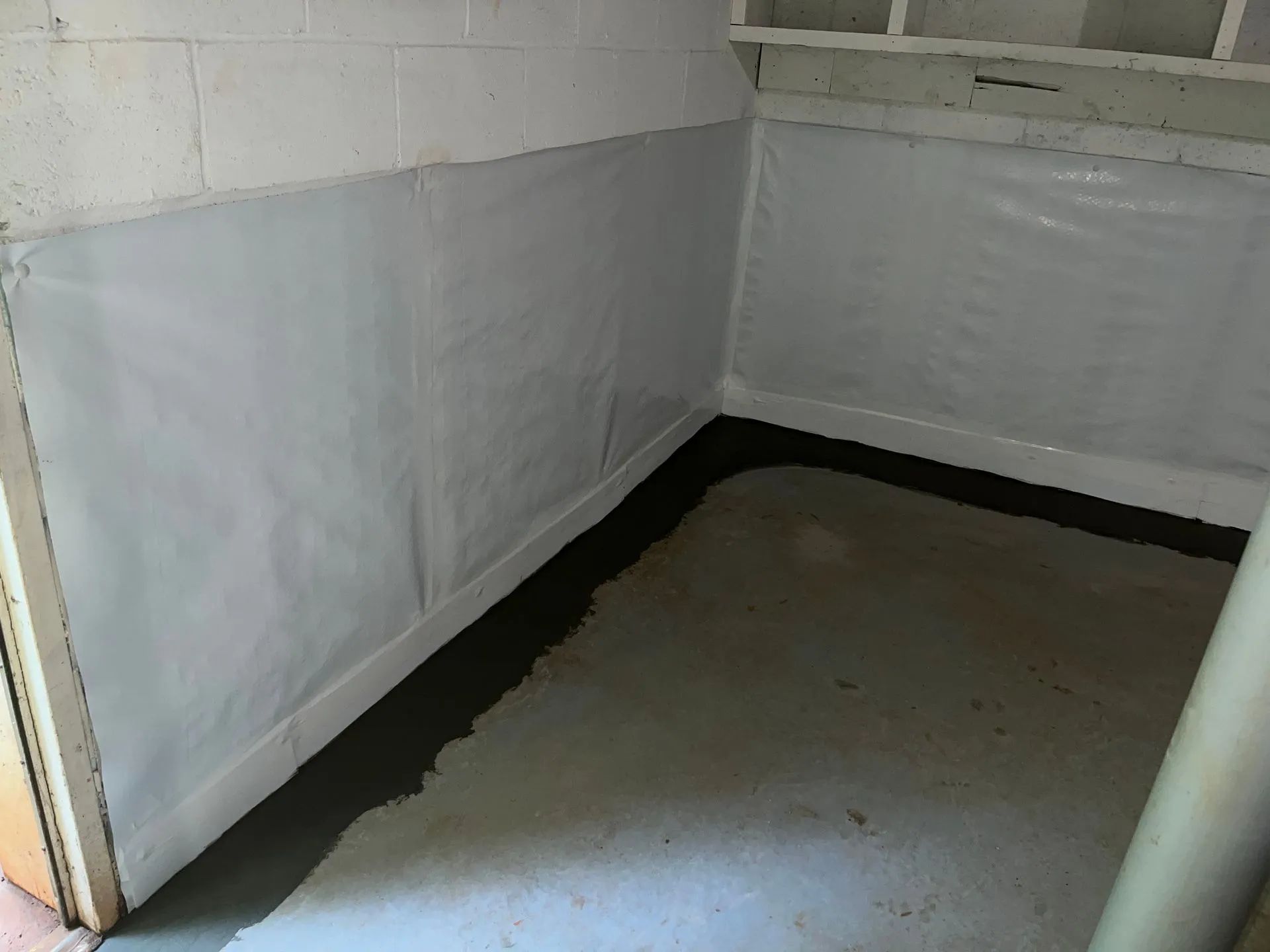
Tape a small square of plastic sheeting tightly to a suspect area of concrete and check it after 24 hours. Moisture collecting on the underside of the plastic points to water moving through the concrete itself rather than condensation forming on the surface from humid air. Walk the outside perimeter during or right after a storm and watch where the water is going. Pooling near the foundation, a downspout discharging too close to the house, or a window well filling up are all things you can see for yourself without any special tools at all.
A check like this will not tell you exactly what is happening behind the wall or how much attention a situation needs. What it will do is tell you whether a professional inspection is worth scheduling now, or whether the basement is genuinely holding steady.
When One Sign Is Enough to Call for an Inspection
Homeowners often wait for multiple signs to line up before calling anyone, assuming one chalky patch or one sticking door is not significant on its own. In practice, a single clear sign is usually enough reason to have a professional look, because each of these signs tends to represent a moisture pathway that is already active, not a hypothetical one.
A horizontal crack in a block wall, water sitting in a window well after every rain, or a musty smell that returns no matter how often the room gets aired out are each, individually, a reasonable basis for an inspection. Waiting to collect a longer list before acting does not make the underlying problem smaller. It usually just gives it more time to reach the wood framing, the flooring above, or the belongings stored in the space.
Frequently Asked Questions
Is a little basement dampness normal in older Atlanta area homes?
Some seasonal humidity is common, especially without a dehumidifier running. What is not normal is a smell that keeps returning, staining that spreads, or humidity readings consistently above 50 to 60 percent.
Can I run a hygrometer test myself instead of scheduling an inspection?
A hygrometer is a useful first step and costs very little. It tells you whether basement air holds too much moisture, but not where water enters or how serious a crack is.
Do signs that show up outside the basement still count as basement warning signs?
Yes. A sticking door upstairs, a musty smell on the main floor, or a sump pump running more often are all connected to basement moisture even though they appear elsewhere.
What if I only notice one sign and nothing else seems wrong?
A single sign is generally reason enough to have a professional take a look. Efflorescence, a returning musty smell, or a horizontal crack each point to an active moisture pathway alone.
Should a newly purchased home get checked even if the basement looked fine at closing?
Yes. A basement can look dry during a showing and still carry signs a buyer wouldn't know to check for, including deposits low on the walls or window wells that don't drain.
Do these signs behave differently depending on the time of year?
Somewhat. Georgia's wet stretches make staining and musty smells more noticeable, while dry spells can let a basement look deceptively fine even with an active problem underneath already.
Small Signs Deserve Attention Before They Spread
None of these signs demand a full renovation the moment they appear, but each one points to a moisture pathway that's already active rather than a hypothetical one. A chalky patch on a wall, a smell that keeps returning upstairs, a door that suddenly sticks in humid weather, waiting for several of these to line up before acting only gives the underlying problem more time to reach framing, flooring, or whatever's stored nearby. Catching just one early is usually enough reason to get a proper look.
Leader Waterproofing and Construction
has spent 10+ years reading these signs for homeowners across Lawrenceville, GA, where clay soil and heavy seasonal rain make
basement moisture
more common than most people expect. That experience is what turns a vague sense that something feels off into a clear answer about what's actually happening behind the wall. A flashlight and a hygrometer are a reasonable start, but a trained eye on the foundation is what actually settles it.